
Autism and ADHD Burnout in Teen Girls
What neurodivergent teen girls need you to understand about burnout; and what ACTUALLY helps.
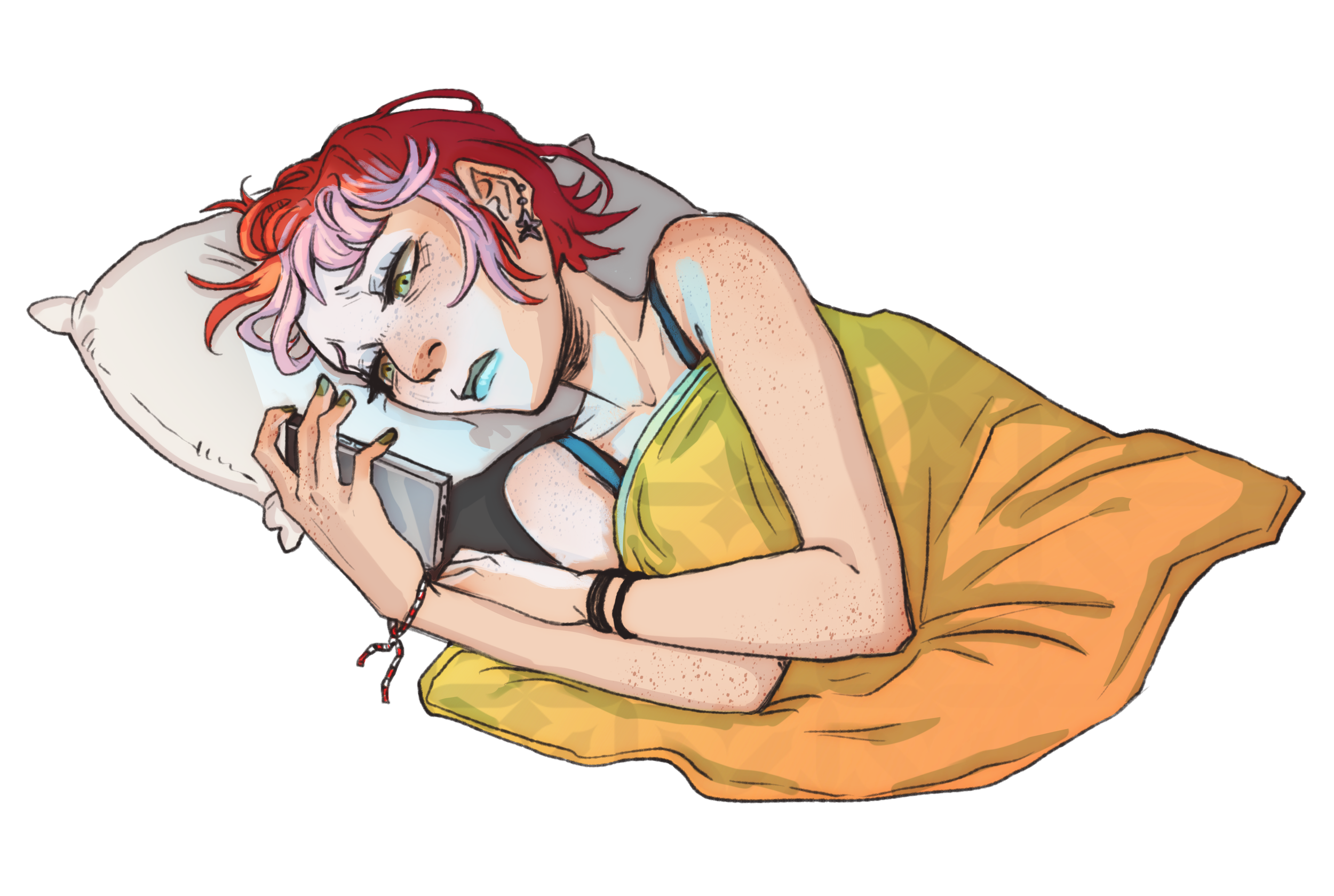
She is sleeping until noon. She’s stopped replying to her friends. She’s dropped the hobbies she used to love, and every small request feels like too much.
Adults around her are calling it laziness, defiance, or just teenage attitude. But for many autistic, ADHD and AuDHD girls, what’s happening is something far more specific; and far more important: Neurodivergent burnout.
What is Neurodivergent Burnout?
Neurodivergent (ND) burnout is a state of deep mental, emotional, and physical exhaustion caused by living in environments that don't match how a person's brain works. It is especially common in young people who are autistic, have ADHD, or are AuDHD (both autistic and ADHD).
The key thing to understand: burnout happens when the brain has to work much harder than others just to get through everyday life. Overtime, that invisible extra effort depletes every reserve a person has — until the system simply can't keep going.
Burnout is not:
Being lazy · Being dramatic · A personal flaw · Something the young person caused or chose.
Why Teen Girls Experience It Differently
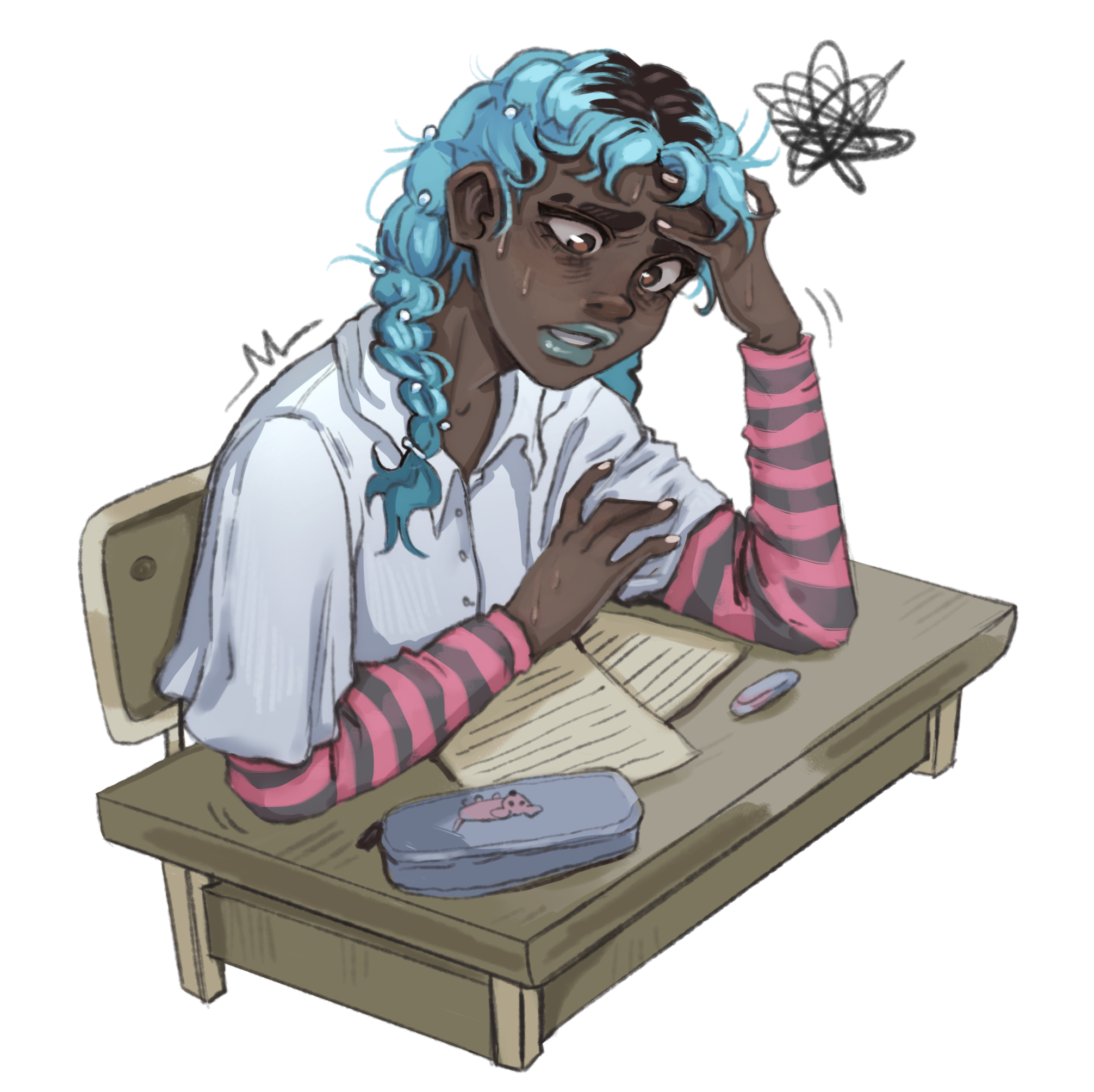
Many neurodivergent girls reach burnout during adolescence. This does not mean something is “wrong” with them. It reflects the cumulative impact of navigating significant, often hidden pressures over time. There are six key reasons ND teen girls are particularly vulnerable:
Gender Expectations. Girls are socialised from a young age to be polite, socially aware, emotionally supportive, and to not “cause problems”. For ND girls, consistently meeting these expectations is exhausting.
Masking. ND girls learn to copy social behaviours to fit in; rehearsing conversations, forcing eye contact, suppressing stimming. Masking is exhausting and leads to identity confusion and deep emotional fatigue.
Internalised Pressures. Girls are more likely to turn stress inwards, leading to anxiety, perfectionism, overthinking and self-criticism. This invisible internal load significantly increases burnout risk.
Compounding Sensory Stress. Constant exposure to loud, busy or bright environments depletes energy. Sensory overload can trigger shutdown or meltdown, causing physical and emotional exhaustion that accumulates over time.
Social Communication Differences. Navigating a world that prioritises neurotypical communication leads to misunderstandings and frequent social ruptures; creating a persistent, draining sense of alienation.
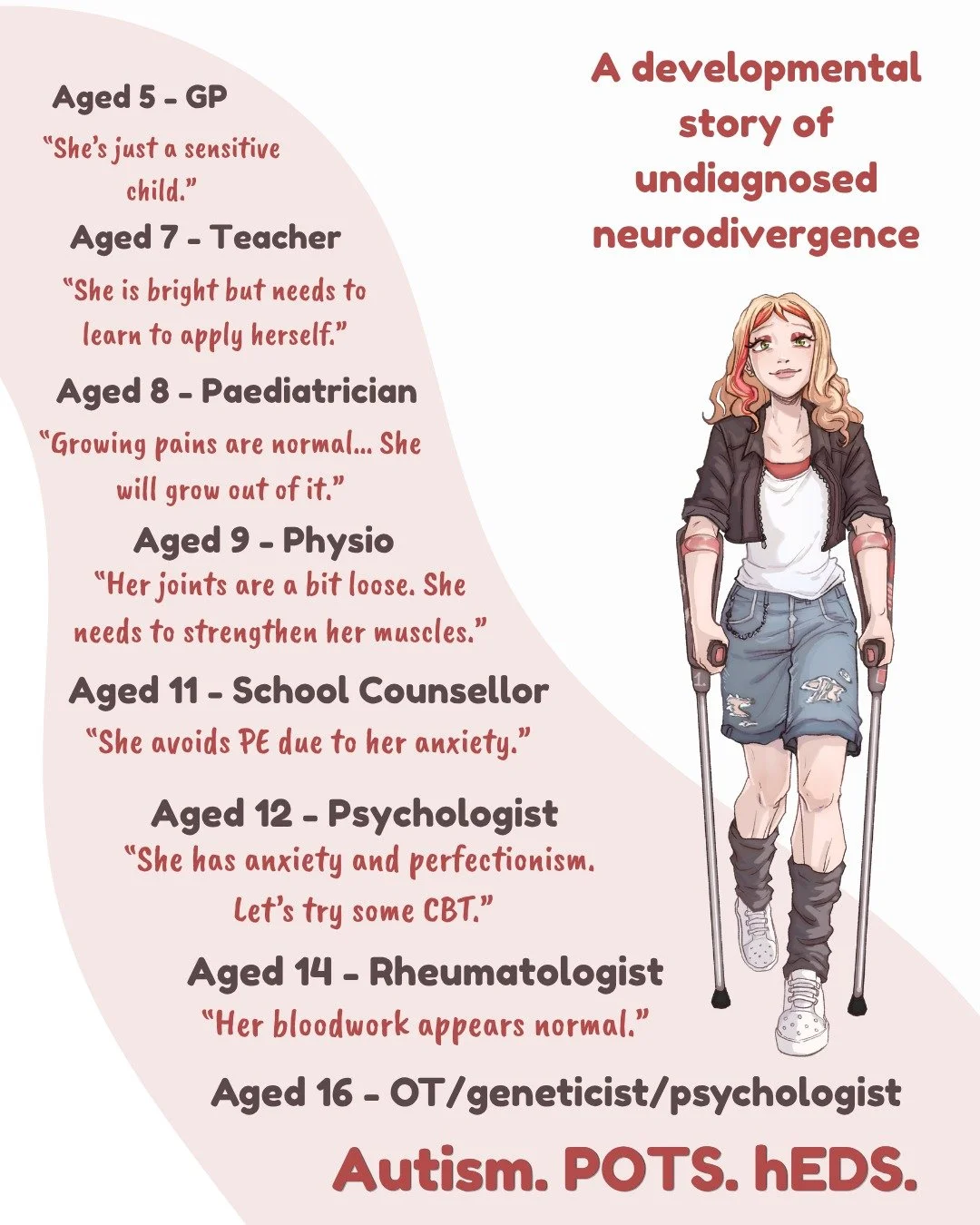
Missed and Misunderstood. Many ND girls go unrecognised until adolescence because they appear to be “coping.” By the time support is available, chronic exhaustion has often already set in.
The Signs: What Burnout Actually Looks Like
Cognitive
Trouble focusing
Brain fog
Feeling mentally slow
Difficulty making decisions
Negative thoughts
Heightened sensory sensitivity
Physical
Constant fatigue
Headaches & body aches
Getting sick more often
Changes in appetite
Trouble sleeping
Feeling heavy or drained
Function
Struggling with school work
Difficulty starting tasks
Withdrawing from hobbies
More frequent meltdowns
Loss of motivation
Avoiding school
Communication
Finding words is harder
Avoiding talking to friends
becoming quieter or withdrawn
Feeling misunderstood
Increasing masking
Staying in their room
What Helps: Supporting a Teen in Burnout

When a young person is overloaded, the priority is supporting regulation before anything else. A brain that feels safe canlearn, think, and cope. Here are evidence-informed approaches that make a real difference:
Reduce the load. Temporarily remove unnecessary demands including talking, questions, eye contact, and instructions. During burnout, less is genuinely more.
Give space, not pressure. Sit nearby without speaking. Be a calm, present adult without placing any demand on the young person to engage.
Reduce sensory input. Less noise, less light, less pressure equals more regulation. Offer sensory supports — weighted blankets, headphones, fidgets, a dim quiet room.
Co-regulate. Teens borrow calm from the adults around them when they can't find it themselves. Staying regulated yourself is one of the most powerful things you can offer.
Adjust expectations to match actual capacity. Focus on showing up rather than performing. What participation looks like during burnout is genuinely different — and that's okay.
Encourage genuine rest — without guilt. Burnout recovery requires real rest. Quiet time, extra sleep, time alone, and comfort activities are therapeutic, not indulgent.
Use low-demand language. Try "We could…" or "Other people might find it helpful to…" rather than direct instructions. This reduces the autonomic threat response and keeps the door open.
Want to learn more? Check out our Burnout Recovery Guide.
Follow us on socials
@pocket.psych.au

You were born original. Don’t die a copy.
– John Mason