Contact Us
Let’s chat!
If you have a question or just want to get in touch, you can reach us at hello@pocketpsych.com.au or fill out the form below. We will do our best to get back to you ASAP – most likely somewhere between making snacks and replying to school emails.
Featured Products
It’s not school refusal. It’s EBSA.
Save 15% with the School Refusal Toolkit Bundle — combining this guide with School Can’t Cards to support a deeper understanding of school attendance difficulties and re-engagement.
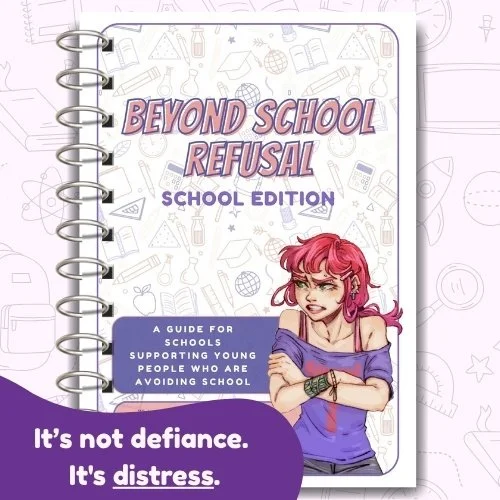
A practical, neuroaffirming school refusal support guide for schools navigating School Can’t (school refusal / EBSA) without blame, without ultimatums, and without pretending it’s as simple as just showing up.
This guide helps school staff understand what is actually driving a student’s school refusal or attendance challenges, whether it’s anxiety, sensory overwhelm, demand avoidance, or neurodivergent burnout — and provides real, usable strategies to support re-engagement at a pace that works for the young person.
Inside, you’ll find practical classroom adjustments, reintegration planning tools, and a framework for understanding the difference between “won’t” and “can’t” in school attendance. Designed to work alongside our best-selling School Can’t Cards for a whole-school, neuroaffirming approach to school refusal support.
Built by clinical psychologists. Designed for real classrooms.
This guide is for you if…
You’re a teacher, school leader, wellbeing staff member, or counsellor supporting students experiencing school refusal, school can’t, or emotionally based school avoidance (EBSA).
You’re an occupational therapist, social worker, psychologist, or allied health professional looking for trauma-informed, neuroaffirming school attendance support strategies.
After purchase, you’ll receive instant access to your digital download via the confirmation page and email.
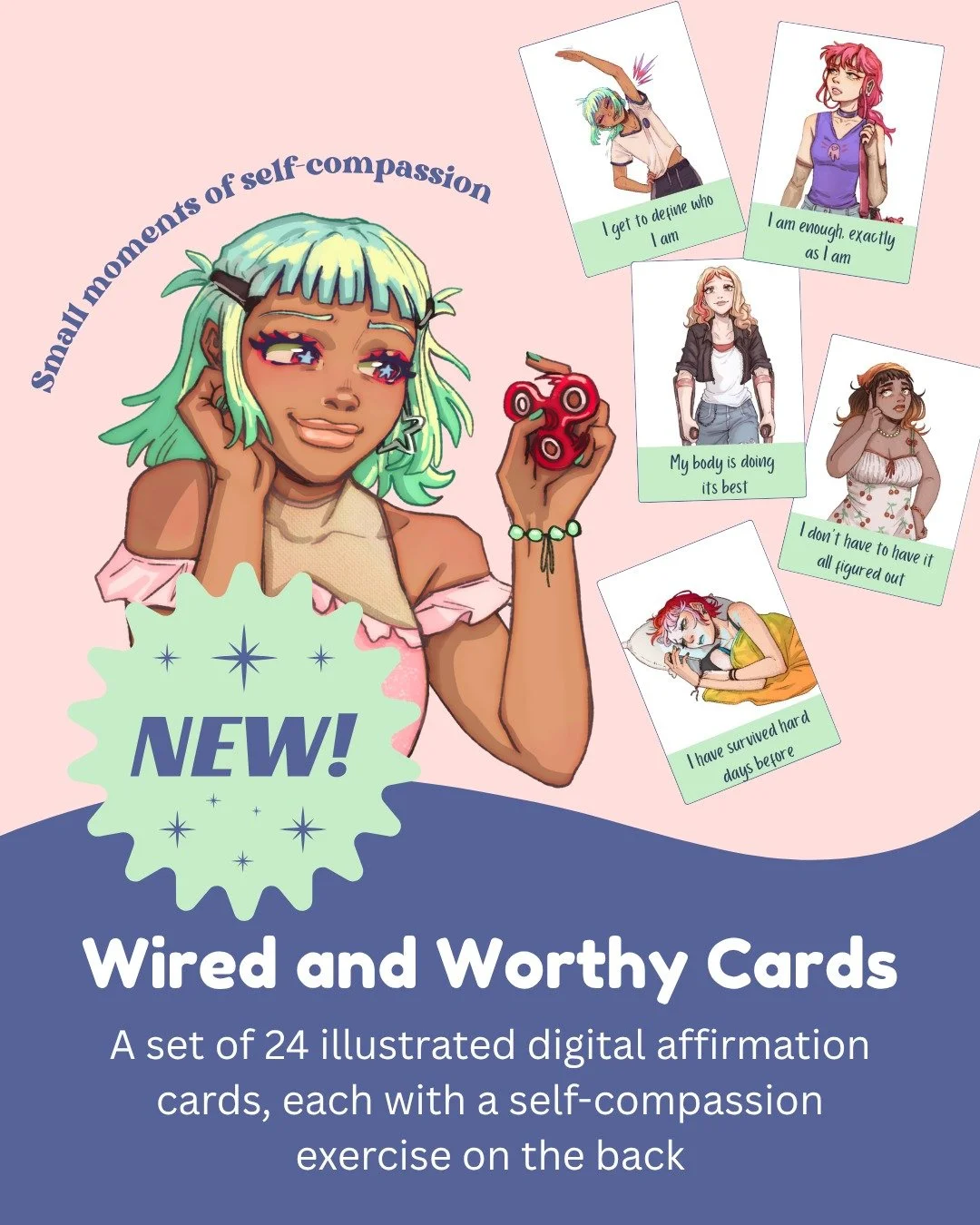
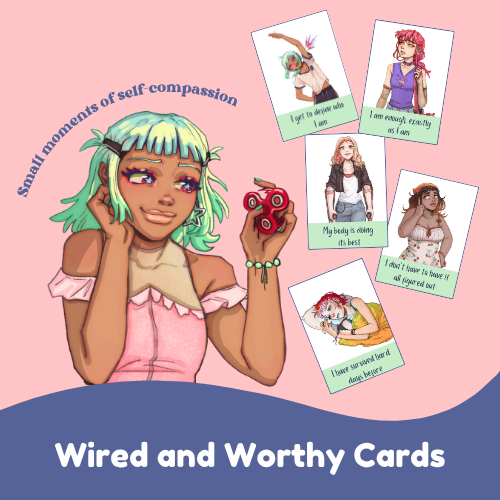
A gentle, neuroaffirming digital card deck to support neurodivergent teens in developing a kinder relationship with themselves.
Many neurodivergent teens grow up hearing they are “too much,” “too sensitive,” or “not trying hard enough.” Over time, this can turn into self-criticism, masking, and self-doubt.
Wired & Worthy offers something different.
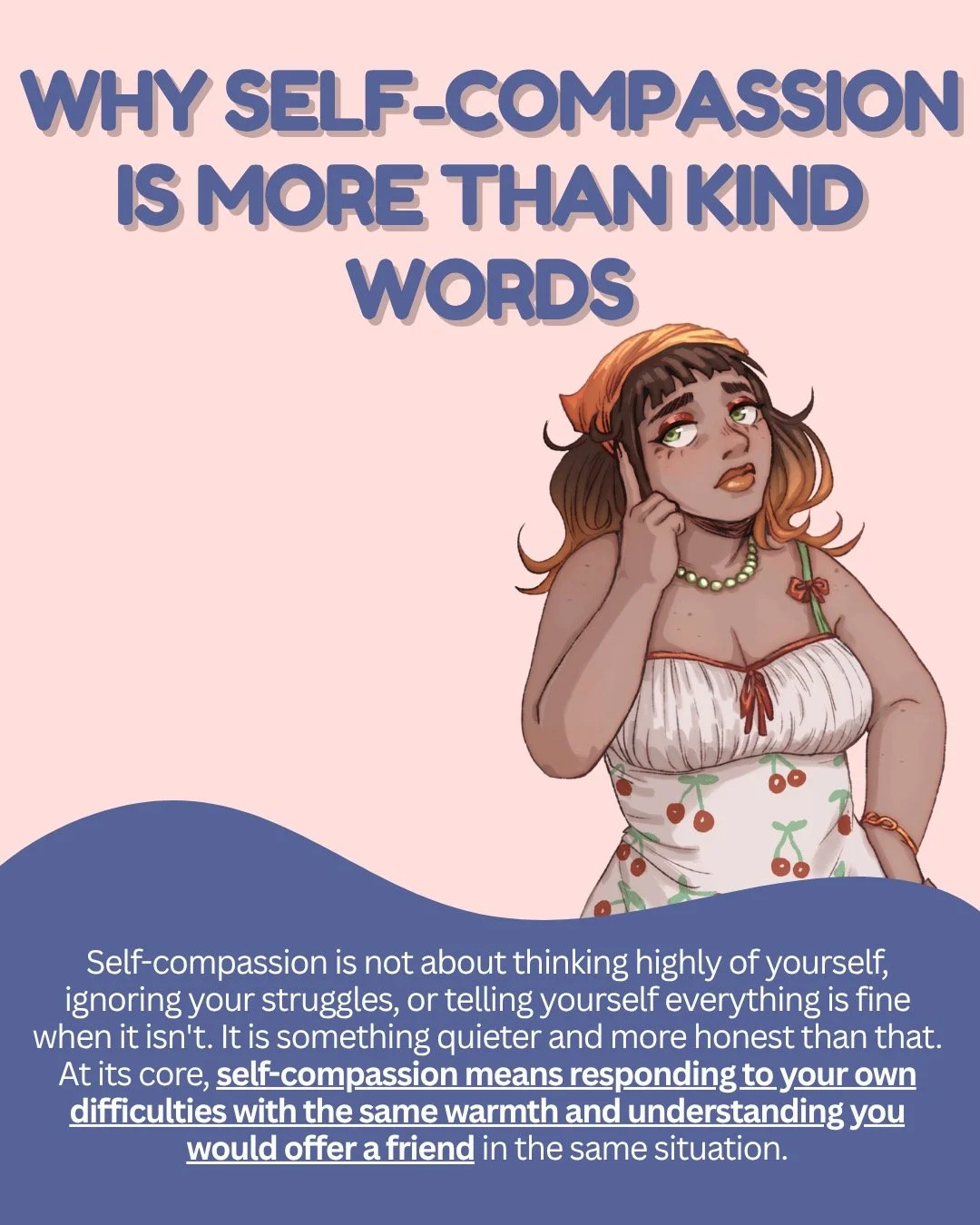
These cards gently shift the focus from self-criticism to self-compassion — not by forcing positivity, but by practising a new way of relating to thoughts, feelings, and experiences.
What you’ll get
A set of 24 beautifully illustrated self-compassion cards (digital).
Each card includes:
A neuroaffirming statement or reminder
A gentle, practical self-compassion exercise on the reverse
The exercises are designed to support:
self-kindness and self-understanding
identity and self-exploration
nervous system regulation and grounding
acceptance of difference without judgement
Who it’s for
Designed for neurodivergent teens who are:
frequently self-critical or self-doubting
masking at school and decompressing at home
navigating anxiety, burnout, or emotional overwhelm
sensitive, deep-feeling, or easily overstimulated
wanting a kinder relationship with themselves
Also helpful for parents, educators, and clinicians supporting neurodivergent young people who benefit from accessible, affirming emotional tools.
After purchase, you’ll receive instant access to your digital download via the confirmation page and email.
Some of the most capable, compassionate young people are also the most exhausted. This bundle brings together two of our clinical resources for practitioners and caregivers navigating the intersection of neurodivergence and burnout; now available at a discounted rate.
What’s included in this bundle?
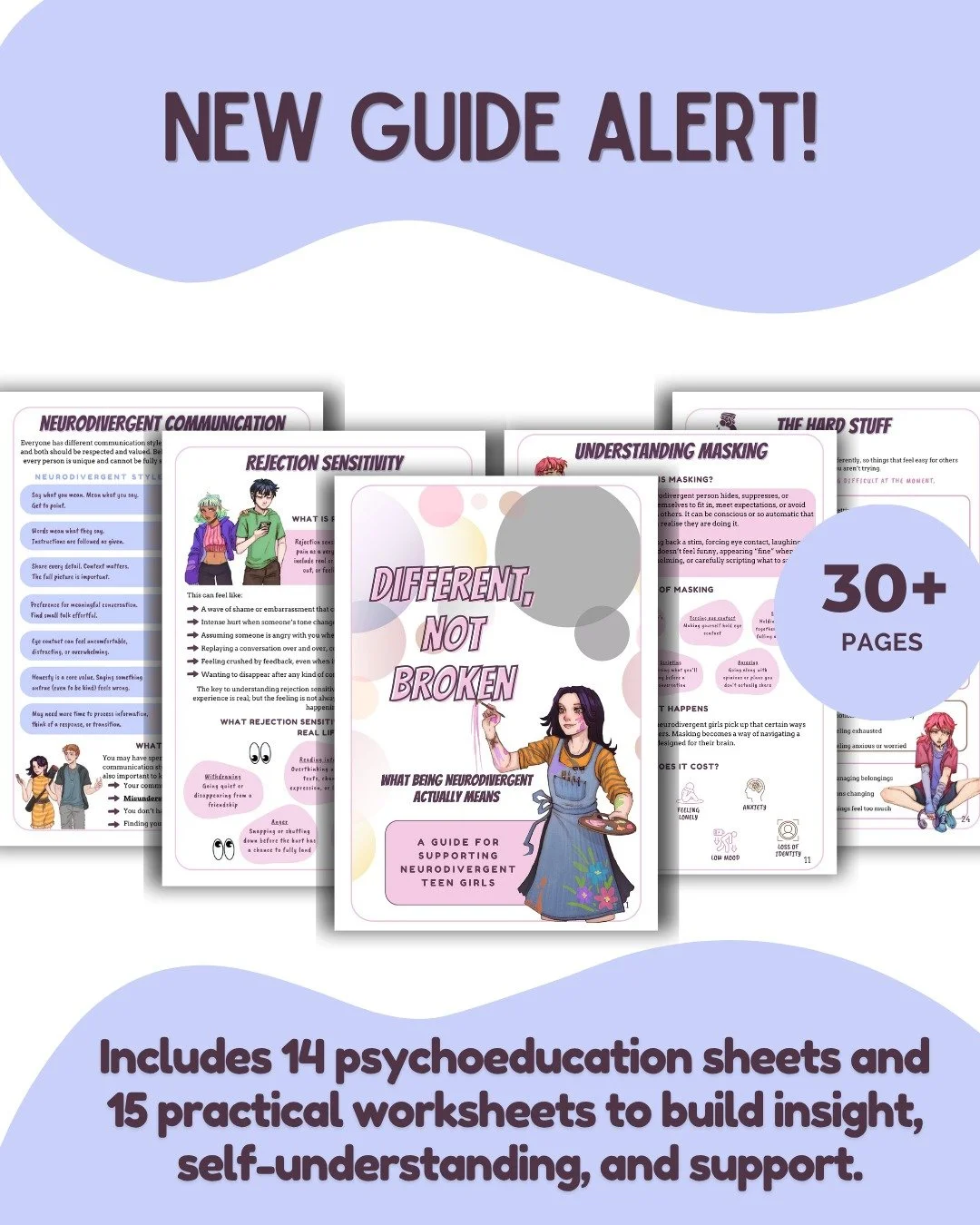
The Different, Not Broken Guide
This digital guide helps shift the narrative for neurodivergent young people who have internalised the belief that something is wrong with them. Grounded in neuroaffirming principles, it provides a framework for rebuilding self-concept and supporting teens to understand their brain as different, not deficient.
It includes 14 psychoeducation handouts for carers and supportive adults covering autism, ADHD, AuDHD, masking, burnout, anxiety, hormones, communication, and fluctuating capacity (and more), as well as 15 worksheets for teens designed to build insight, self-understanding and self-compassion.
Burnout Recovery Guide
A practical, evidence-informed digital guide for supporting neurodivergent teen girls who are running on empty. Designed for psychologists, allied health professionals, and caregivers, it explores the stages of burnout, what recovery actually looks like (hint: it’s not a holiday), and how to support the process without pushing.
It includes a clear breakdown of what neurodivergent burnout is, how it develops, and how it differs from other presentations; step-by-step approaches to support gradual, sustainable recovery that respects each teen’s capacity and pace; practical changes across home, school, and therapeutic settings to reduce sensory and social demands during recovery; and supportive language and scripts for navigating hard conversations without adding pressure.
These guides are for you if…
You’re a therapist, psychologist, or counsellor supporting neurodivergent teens and want deeper, burnout-specific tools.
You’re a parent noticing your daughter withdrawing from things she used to love, and you’re unsure how to help.
You’re an educator or school support worker who suspects burnout in a young person you are working with; or just want to better support ND girls.
You’re an OT, social worker, or allied health professional looking for trauma-informed, neuroaffirming guidance.
After purchase, you’ll receive instant access to your digital download via the confirmation page and email.
Save 15% when you bundle this guide with the Burnout Recovery Guide in our ND Teen Girl Collection Bundle.
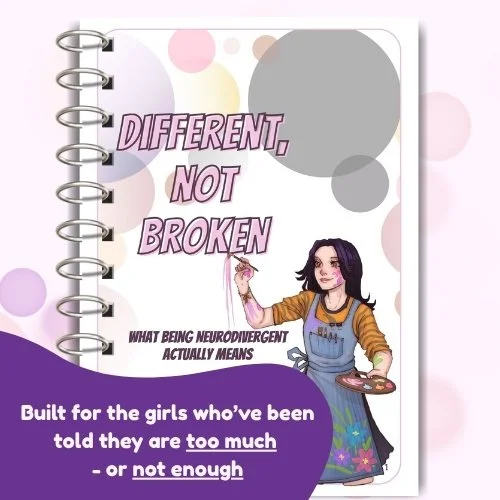
A neuroaffirming guide for understanding neurodivergent teen girlswho have often been missed, mislabelled, or misunderstood for years.
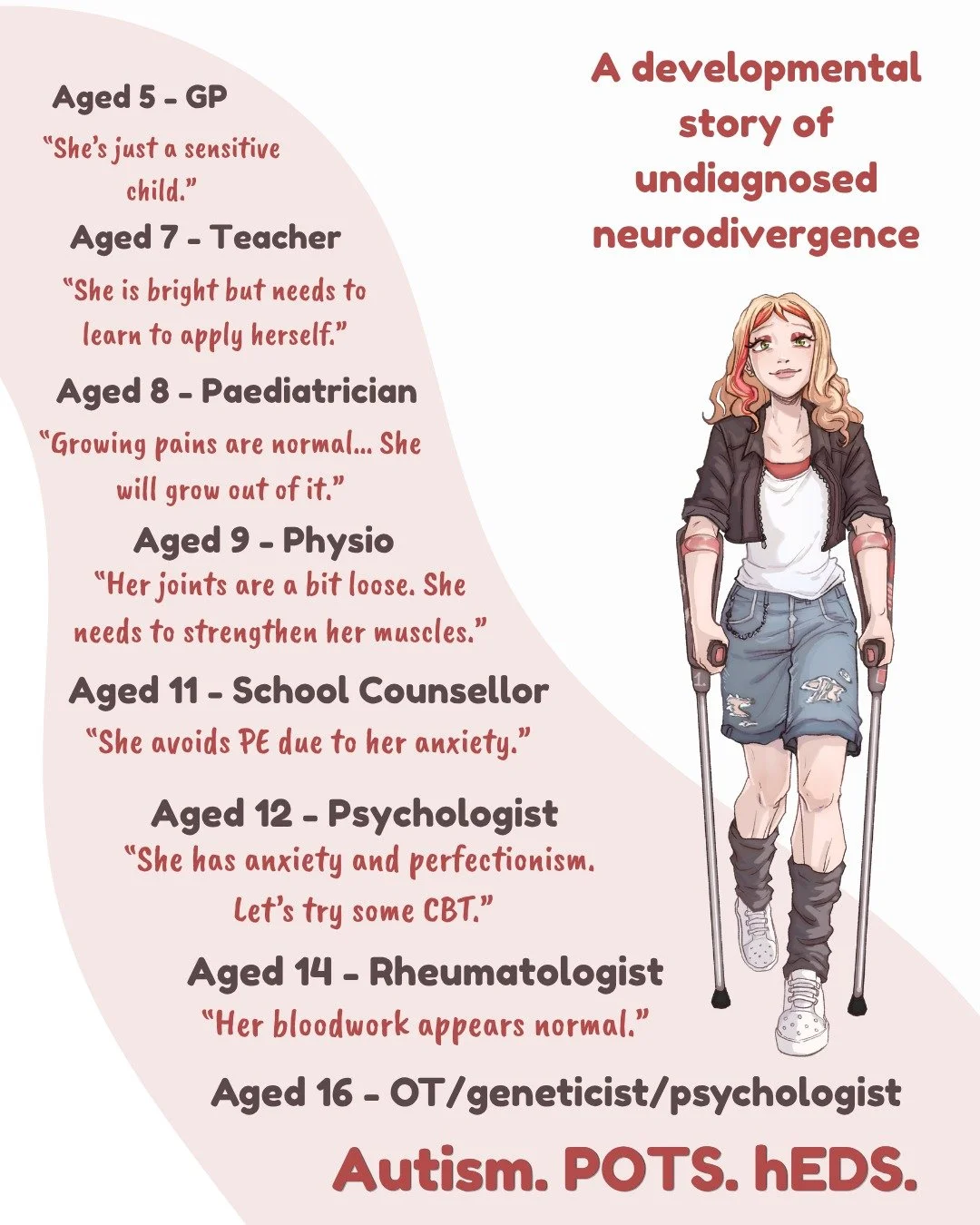
Many neurodivergent girls are not identified until adolescence or later.
Before diagnosis, they are often described as anxious, sensitive, withdrawn, “too much,” unmotivated, or difficult. By the time a diagnosis is made, families and professionals are often left trying to understand years of emotional overwhelm, masking, burnout, and fluctuating capacity.
Different, Not Broken helps bring clarity to that story.
It translates years of confusion into a clear, neuroaffirming understanding of what has been happening beneath the surface, so support can finally make sense.
Because she was never broken. She was misunderstood.
What you’ll get
A structured, practical psychoeducation and worksheet resource designed for clinicians, school staff, and caregivers supporting neurodivergent girls.
Inside the guide:
Clear explanations of autism, ADHD, and AuDHD in girls (including why they are often missed)
Neurodivergence, anxiety, burnout, and masking explained in practical, accessible language
Strength-based frameworks that move away from deficit-focused approaches
Capacity and energy mapping tools
Emotional regulation and feelings identification worksheets
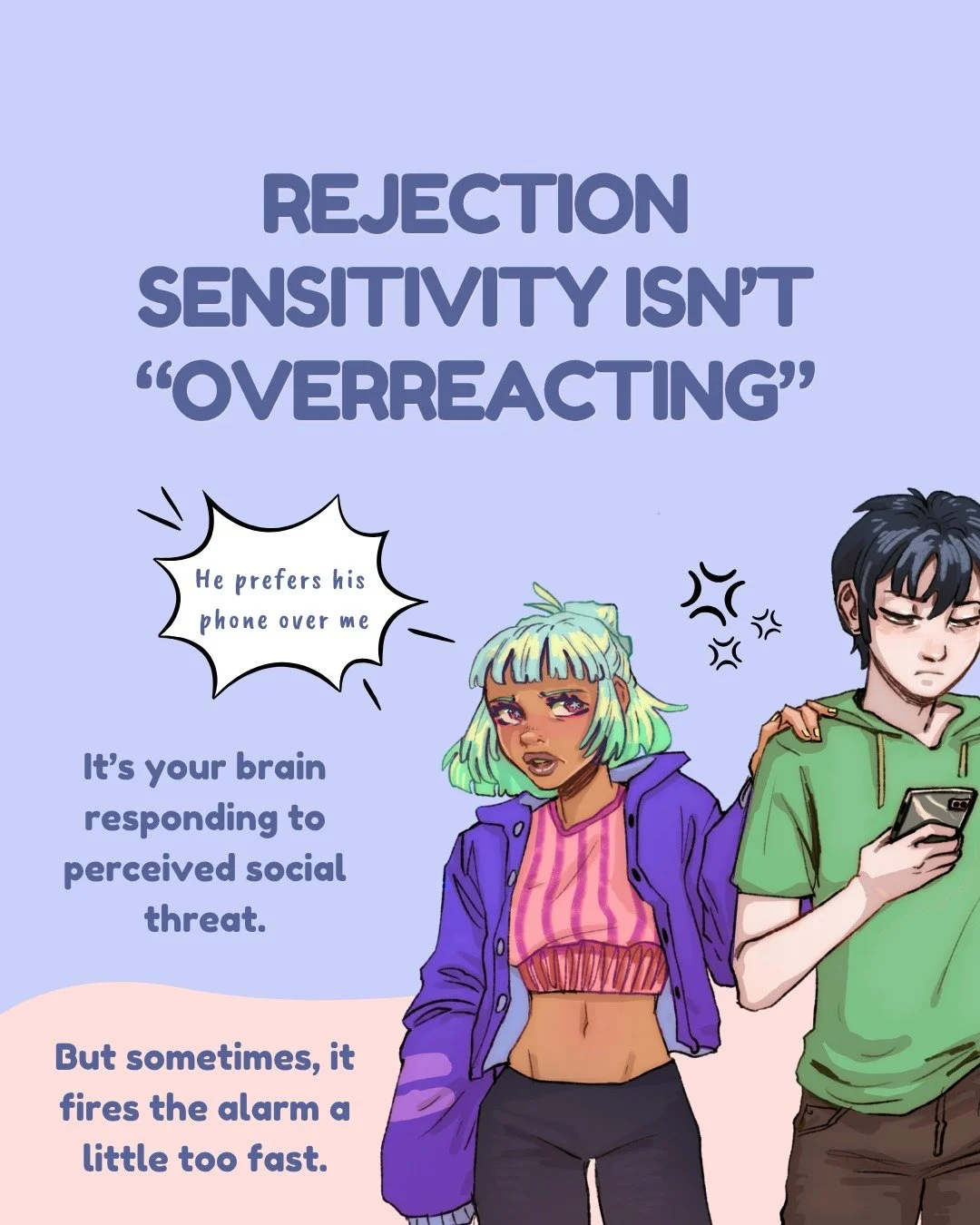
Rejection sensitivity and people-pleasing patterns
Exploration of sensory needs and ideal environments
Identity and self-understanding activities to support self-concept
Who it’s for
Designed for:
Psychologists and therapists
School counsellors and wellbeing teams
Occupational therapists and allied health professionals
Parents and caregivers
Professionals supporting neurodivergent teen girls
Especially helpful when a young person is:
Newly diagnosed or identified later in life
Experiencing anxiety, burnout, or emotional overwhelm
Masking at school but struggling at home
Frequently misunderstood in relationships or education settings
Needing clearer explanations and more personalised support
After purchase, you’ll receive instant access to your digital download via the confirmation page and email.
Be YOURSELF; everyone else is already taken.
– Oscar Wilde
Save 20% with the School Refusal Toolkit — including the Beyond School Refusal Guide (School Edition) and School Can’t Cards (Digital).
Some students are not refusing school — they are unable to access it in the current conditions. This bundle brings together two clinical resources designed to help schools understand School Can’t (school refusal / EBSA) and respond without blame, ultimatums, or escalating pressure.
What’s included in this bundle?
Beyond School Refusal Guide (School Edition)
This practical, neuroaffirming school refusal support guide helps schools understand what is driving attendance difficulties, including anxiety, sensory overwhelm, demand avoidance, burnout, and unmet neurodivergent needs.
It provides a clear framework for understanding “can’t vs won’t,” alongside practical classroom adjustments, and re-engagement planning tools. Designed to support gradual, capacity-based return-to-school planning that prioritises safety and connection.
Built by clinical psychologists. Designed for real classrooms.
School Can’t Cards (Digital) - Three Psychs
School Can’t Cards provide a gentle, practical way to explore what makes school feel overwhelming or inaccessible for a young person. This set of 56 printable cards supports understanding of sensory, emotional, social, and environmental barriers to attendance.
The cards reduce pressure in conversations, support emotional expression, and help identify underlying needs driving school refusal / EBSA. They can be used in sessions, at home, or in school settings to support collaboration and shared understanding.
Designed to complement the School Can’t Guide for a whole-school, neuroaffirming approach to re-engagement.
These resources are for you if…
You are a teacher, school leader, wellbeing staff member, or counsellor supporting students experiencing School Can’t, school refusal, or EBSA.
You are an occupational therapist, psychologist, social worker, or allied health professional supporting school engagement and participation.
You want practical, neuroaffirming tools that move beyond behaviour management and focus on genuine re-engagement and support.
After purchase, you’ll receive instant access to your digital download via the confirmation page and email.