
Beyond The Panic:
What We Know About Teens & Their Screens
The link between technology use and teenage mental health is real, but it's more nuanced than most headlines suggest.

If you've spent any time Googling "screen time and teenagers," you've probably come away with conflicting advice, a vague sense of guilt, and absolutely no idea what to actually do. One article tells you smartphones are ruining an entire generation. The next says the research is overblown. And somewhere in the middle is your actual kid, living on their phone.
The good news: the science is starting to clarify. The even better news: once you understand how technology affects teen mental health — not just how much — you'll be better equipped to have real conversations with your teen about it, rather than just battling over limits.
Higher screen time is associated with poorer mental health outcomes.
Mental health is shaped by many factors, and the research is still developing. These findings are useful for informing decisions, not for judgment.
What The Research Actually Shows
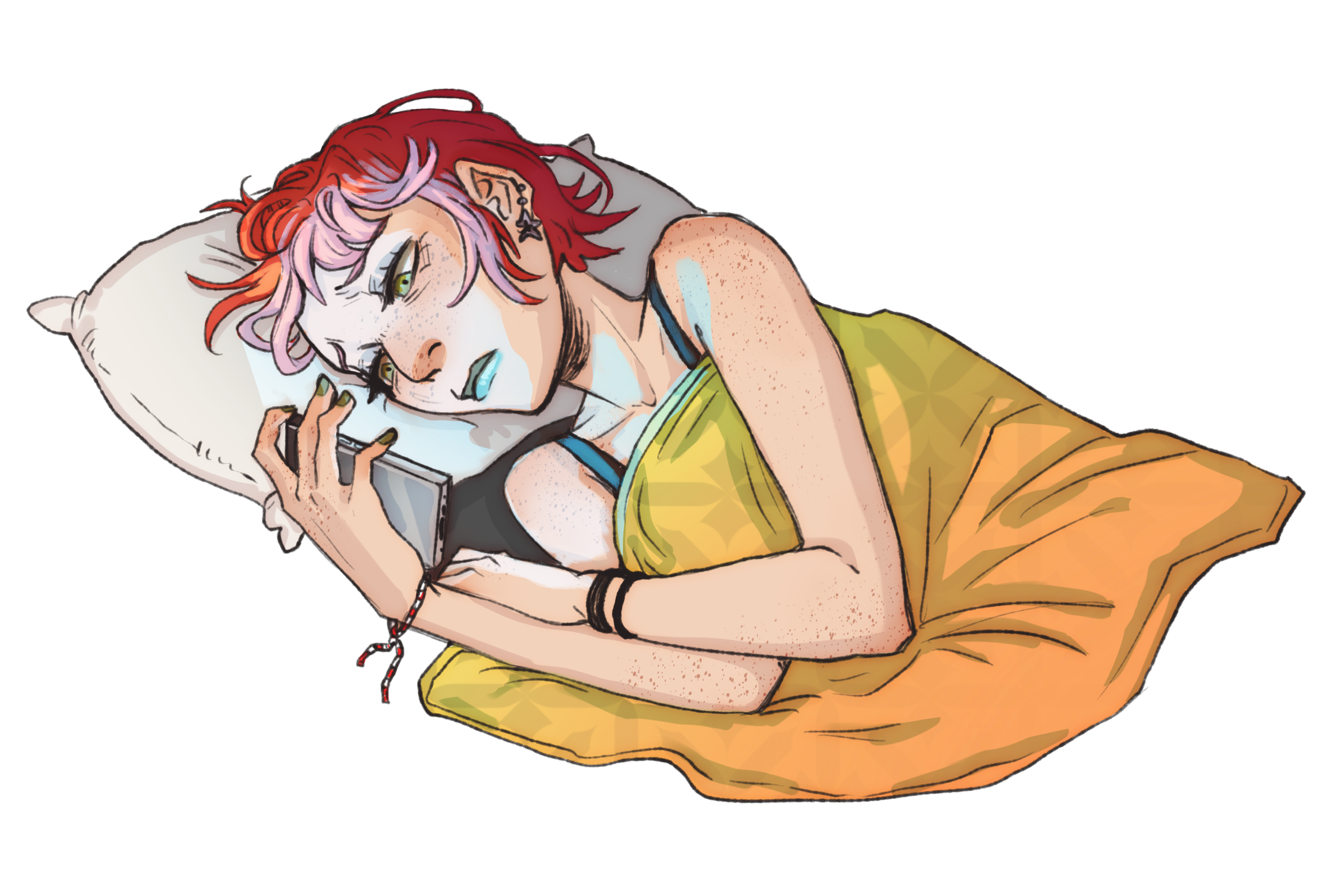
Here are the six key findings that every parent and clinician should know:
Hours of use matter - but not for everyone. Research consistently links higher overall screen time to increased rates of anxiety and depression in teenagers. But here's a finding that surprises many families: this association is not consistently observed in autistic children. One large study found that for autistic young people, the number of hours spent on technology does not correlate with increased anxiety or.
Social media disproportionately impacts girls. Social media use is negatively associated with mental health particularly for girls who already have existing concerns — likely because platforms amplify social comparison. Girls with pre-existing body image concerns or low self-esteem appear to be most vulnerable. The endless stream of curated, filtered images creates a comparison culture that is hard to opt out of once you're in it.
How we use tech matters as much as how long. Research points to a meaningful difference between passive consumption (scrolling, watching without interaction) and active engagement (connecting with friends, creating content). Passive use tends to correlate more strongly with poorer wellbeing outcomes, while active, purposeful use shows a different picture..
Creative screen use may actually be protective. This is an underreported finding: screen time spent on creative or educational activities is associated with positive wellbeing outcomes. Using technology to make music, design, code, learn, or express yourself is genuinely different from scrolling — and research suggests it may even buffer against some negative effects.
Gaming is not all good or all bad. Interactive gaming has been positively linked to learning, problem-solving, and social connection in some contexts. However, gaming that becomes compulsive — interfering with sleep, relationships, or daily functioning —is associated with poorer mental health outcomes. The type, intensity, and purpose of gaming matters enormously.
High screen use consistently disrupts sleep. This one is probably the clearest finding in the literature: spending longer periods on devices is associated with later bedtimes, shorter sleep duration, lower sleep quality, insomnia symptoms, and increased daytime sleepiness. And poor sleep is one of the most significant drivers of teen mental health difficulties. If there's one place to draw a firm line, the bedroom at night is it.
Not All Screen Time Is The Same
One of the most useful frameworks for thinking about technology use; with teens or in clinical settings; is to distinguish between three different types of screen time.
Passive
Watching without interacting. Scrolling feeds, watching video after video. Can feel relaxing, but often doesn't improve emotional wellbeing — it just delays feelings.
Active
Engaging, playing, connecting. Chatting with friends, gaming together. Can be genuinely connecting — but also a source of conflict, comparison, and stress.
Creative
Making, creating, learning, designing. Apps for music, video-making, coding, art. Research suggests this is the most protective type of screen engagement.
Why Neurodivergent Kid Use Technology Differently

For many neurodivergent young people, technology serves functions that go beyond entertainment. Understanding this is essential for families and clinicians working with ND teens.
Online connection can feel safer. Many autistic and ADHD teens find it genuinely easier to connect with peers online, where social demands are lower and they can communicate in their own time.
Digital activities can be regulating. Predictable, structured digital environments can provide a sense of control and calm that the physical world often doesn't.
Screens help with transitions. Technology can act as a reliable bridge between activities — particularly for kids who find transitions difficult.
Screen use often increases during burnout. When a neurodivergent young person is heading toward or in burnout, online activities feel lower-demand and more manageable. Increased screen time can be a sign to look deeper, not just to restrict.
A neuroaffirming note: Research also indicates that ND young people may be at higher risk of addictive online behaviours and cyberbullying — so the picture is genuinely complex. A neuroaffirming approach doesn't ignore risks; it holds them alongside the real functions technology serves for these kids, and uses that understanding to shape smarter, more sustainable boundaries.
Follow us on socials
@pocket.psych.au






Want to learn more? Check out our Burnout Recover Guide.

You were born original. Don’t die a copy.
– John Mason