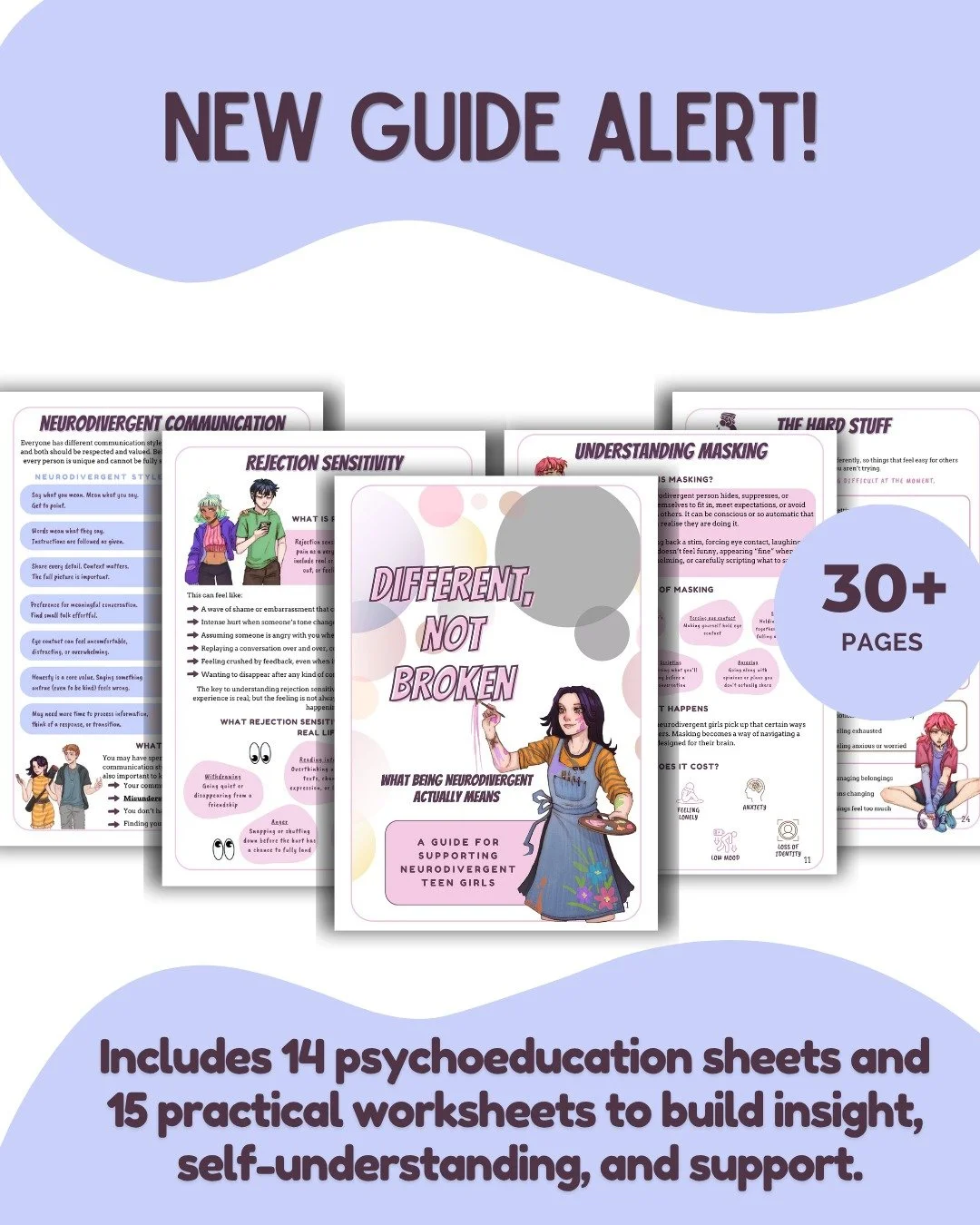
This area is the home for everything school can't on pocketpsych.com.au: free tools, interactive psychoeducation and paid resources.
School Can’t Hub
Is It School Can't?A Quick Check-In
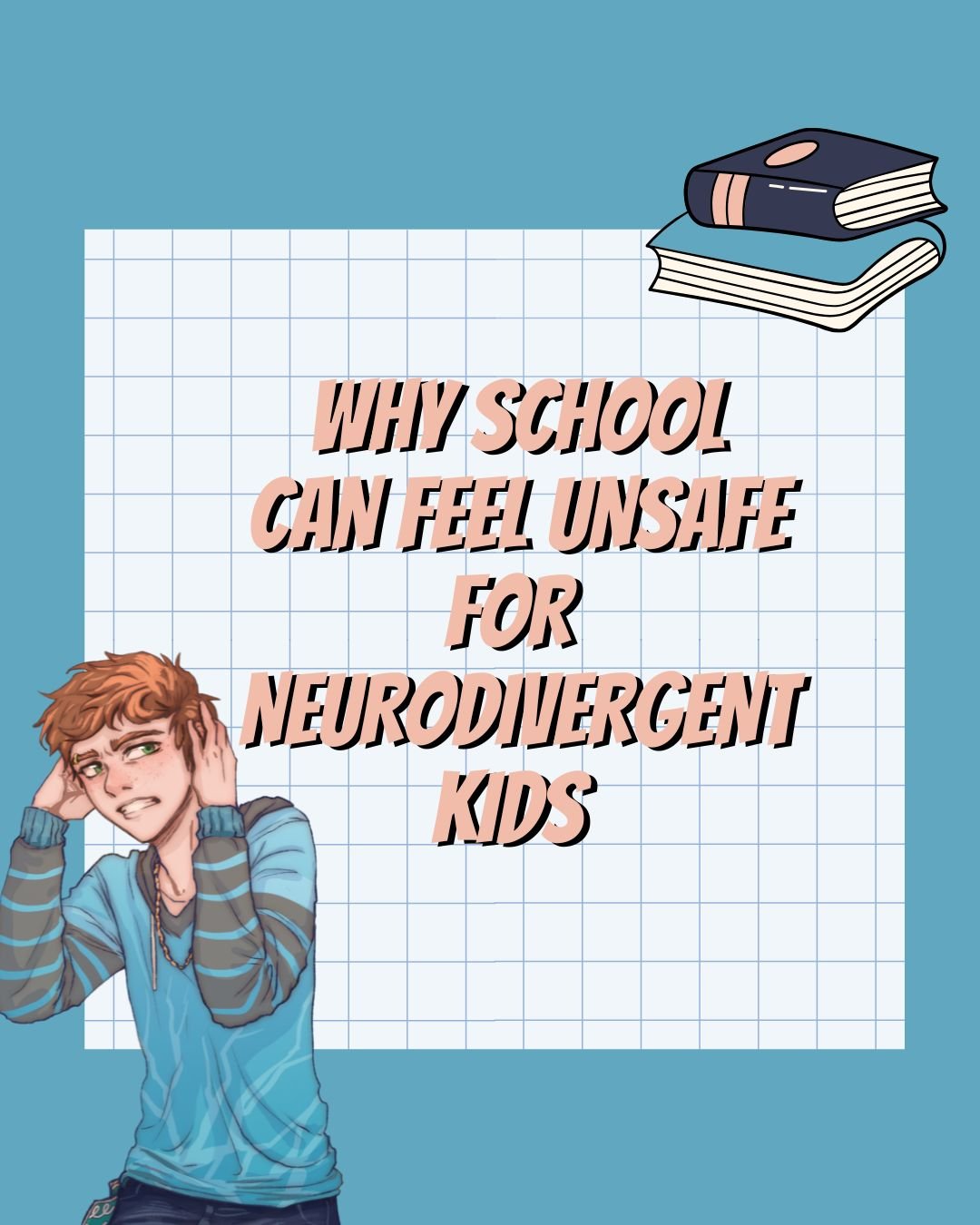
Some young people aren't refusing school. They're finding it too overwhelming to get there or stay there. This is often called emotionally based school avoidance, or school can't. It's a stress response, not bad behaviour, and it's common in neurodivergent young people.
If you're a parent, carer or educator, tick anything you've noticed in the young person you're thinking of over the past few weeks.
Nothing you tick here is saved or sent anywhere.
School mornings
At school
Feelings & behaviour
Patterns over time
Noticing some of these?
These can be signs that school has started to feel unmanageable, and that the young person needs support rather than more pressure.
School can't usually has more than one cause, and it tends to be easier to turn around when it's noticed early. Helpful next steps can include:
- Getting curious, not cross. Gently explore what feels hardest: the morning, a class, a person, the noise, or the work.
- Talking with the school, such as the wellbeing team, guidance officer or school counsellor, about small, practical adjustments.
- Seeing a GP to check physical symptoms, and to talk about a referral to a psychologist if things aren't easing.
Our School Can't resources are designed to help clinicians, educators and families understand what's getting in the way and plan support together.
This check-in is for general information only and isn't a diagnosis or assessment. If a young person is very distressed or talking about harming themselves, contact Kids Helpline on 1800 55 1800 (any time, ages 5–25) or Lifeline on 13 11 14, or call 000 in an emergency.
We believe in…
-
Neuroaffirming practice
We see difference as diversity, not deficit
-
Engagement through design
Beautiful, eye-catching resources that invite exploration
-
Evidence-informed foundations
Grounded in clinical expertise – built for real-world use
Bright minds.
Bold resources.
BIG hearts.
Neurodiversity may be the birthplace of some of humanity’s greatest minds.
– Harvey Bloome