
But They Went on Tuesday:
Understanding Fluctuating Capacity in School Refusal

If you are supporting a young person with School Can't, you have almost certainly encountered this moment. Tuesday went well. They got there, they managed, maybe they even seemed okay. And then Wednesday arrives and they cannot move. Cannot get dressed. Cannot get to the door.
And someone says: but they went yesterday.
This is one of the most common and most damaging misunderstandings in the School Can't experience. It assumes that Tuesday is proof that Wednesday is a choice. It isn't. What you are seeing is fluctuating capacity — and understanding it changes everything.
What Fluctuating Capacity Actually Is?
Fluctuating capacity describes the way a young person's ability to cope with demands changes from day to day, and sometimes hour to hour. It is not inconsistency. It is not manipulation. It is not evidence that the problem isn't real. For young people with anxiety, neurodivergence, or chronic stress there is no fixed daily reserve of capacity.
What drives fluctuating capacity:
Sleep · Anxiety levels · Accumulated load · Daily events · Sensory environment · Social load.
Why “But They Went on Tuesday” Is So Harmful

When a young person's fluctuating capacity is misread as inconsistency or manipulation, several things happen — all of them damaging.
The young person receives the message that their experience is not believed. For many young people with School Can't, this is already their deepest fear: that the adults around them think they are making it up, taking advantage, or choosing the easier path. Having that fear confirmed by someone they trust compounds the shame they are already carrying.
Good days get weaponised. Instead of being celebrated as evidence that this young person can engage given the right conditions, they become the benchmark against which all other days are judged. The young person learns, quickly, that managing on a good day may make the bad days harder to survive.
Pressure increases. And pressure, for a young person whose nervous system is already in threat mode, makes everything worse. There is substantial evidence that the application of pressure to a young person experiencing School Can't is one of the most reliable ways to deepen the problem and delay recovery.
What Helps Fluctuating Capacity
Name It
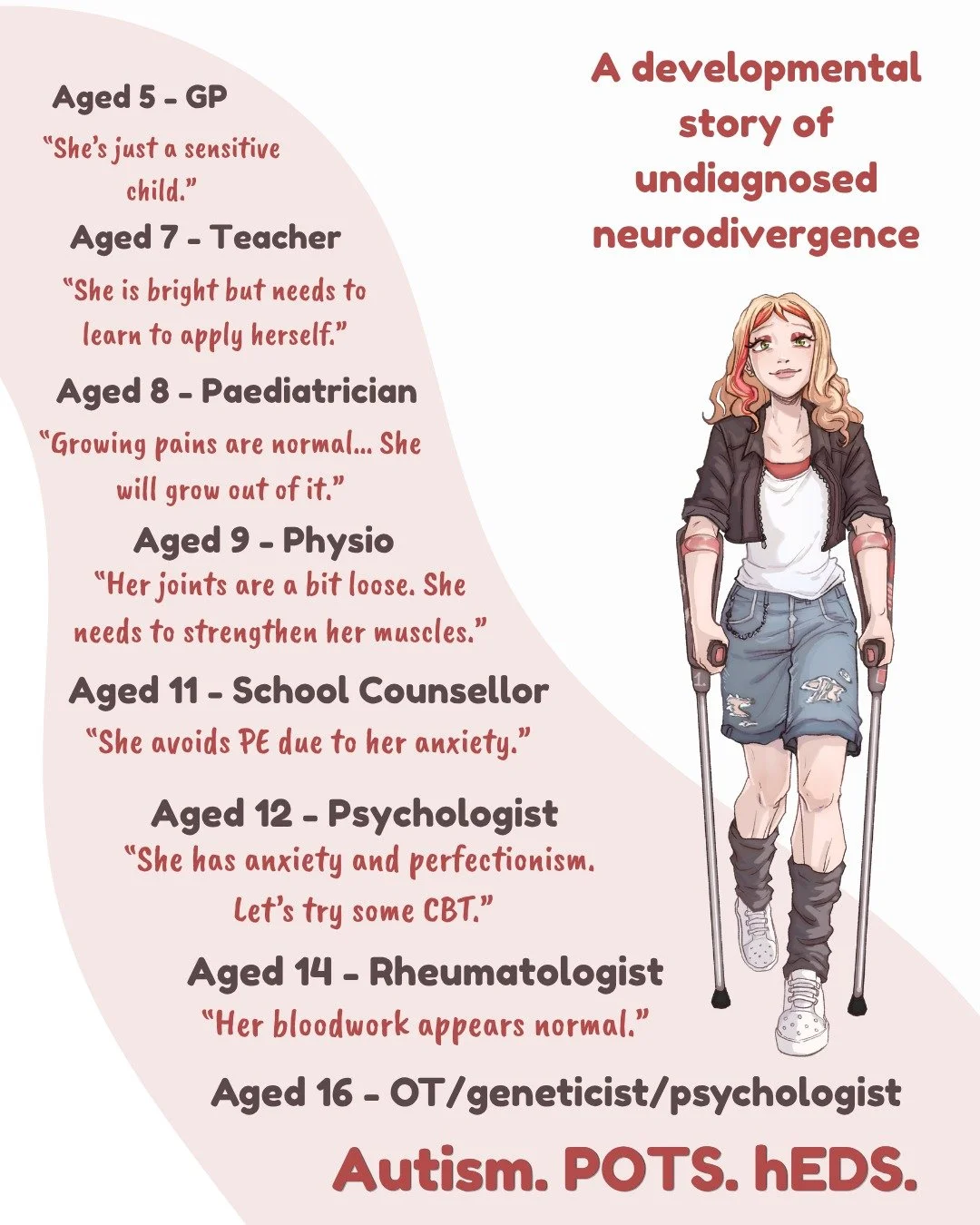
When a young person (or their family) understands that fluctuating capacity is a real, recognised feature of anxiety and neurodivergence, it reduces shame significantly. Sometimes just having a name for something changes how it feels to live with it.
Track The Pattern
Rather than responding to individual days in isolation, start noticing what precedes better days and what precedes harder ones. Sleep? Social events? Particular classes? Particular people? The pattern holds information that a single day cannot.
Give Recover Time
If attendance on a given day costs significant reserves, build in genuine recovery time. This is not rewarding avoidance. It is basic nervous system maintenance — the same logic that tells athletes to rest between training sessions.
Offer Warmth
The young person who cannot make it on Wednesday already knows they cannot make it on Wednesday. They do not need that pointed out. What they need is to know that the adults around them are not frustrated, not giving up, and not holding Tuesday against them.
What Helps: Notes For Schools

When a young person attends on Tuesday and is absent on Wednesday, the instinct is often to question whether the absence is genuine. We would ask schools to resist that instinct — not because young people are always right and systems are always wrong, but because the cost of getting this wrong is very high.
A young person who is struggling to attend school and who feels doubted by the institution they are trying to return to does not become more likely to attend. They become less likely. The relationship between the young person and the school — built on being believed, welcomed without pressure, and supported without agenda — is not a soft backdrop to the real work of reengagement. It is the real work.
Good days are not proof that bad days are chosen. They are proof that this young person, given the right conditions and sufficient reserves, can engage. Hold that knowledge carefully. It is the most useful thing you know.
Want help understanding what is happening at school? Check out our School Can’t Cards.
Follow us on socials
@pocket.psych.au





You were born original. Don’t die a copy.
– John Mason