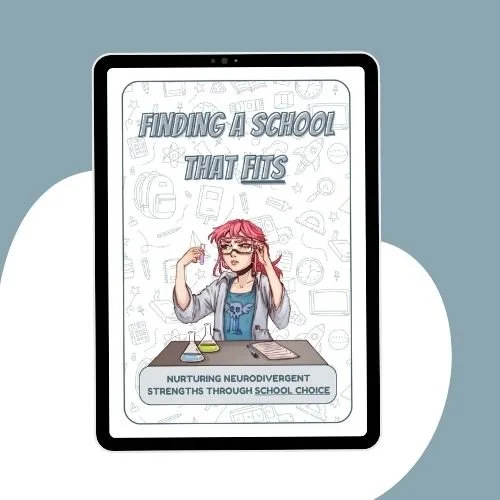
This digital guide provides a structured yet flexible, neuroaffirming approach to help young people and their families understand the impact of technology on screen time and digital wellbeing for teens. It supports identifying activities that bring balance and joy while fostering mindful, intentional tech habits.
Technology is a normal and valuable part of modern life; it connects, inspires, and empowers learning. This guide helps caregivers and clinicians shift the conversation from restriction to purposeful, values-driven technology use for healthy screen time habits in teens, including autistic, ADHD, and neurodivergent young people.
What you’'ll get
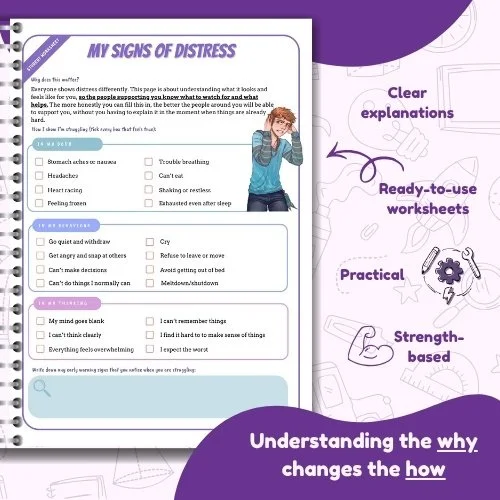
Handouts for Caregivers
Clear, practical psychoeducation materials to help caregivers understand:
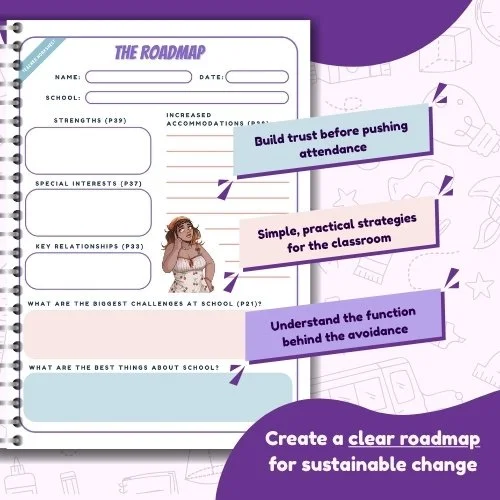
Worksheets for Teens
Engaging, simple worksheets that explore:
Moments That Matter: Reflecting on what brings joy.
Level Up List: Planning fun and meaningful activities.
Understanding Your Battery: Identifying what drains and restores energy.
Technology and Your Energy: Exploring how different screen activities affect mood and focus.
Mindful Technology Quiz: Understanding current habits and patterns of device use.
Mindful Technology Plan: Setting intentional goals for passive, active, and creative use.
Strategies for Sticking to Your Plan: Practical ideas to make mindful technology use achievable.
This guide is for you if…
You are supporting a young person who:
spends a lot of time on screens, gaming, or social media
finds it difficult to transition away from devices
experiences emotional regulation challenges linked to screen use
is autistic, ADHD, AuDHD, or neurodivergent
benefits from structured and visual support tools
is working on building healthier, more balanced screen habits
It is especially helpful for teens who respond better to collaborative, non-judgemental approaches rather than restriction-based strategies.
After purchase, you’ll receive instant access to your digital download via the confirmation page and email.
This digital guide provides a structured yet flexible, neuroaffirming approach to help young people and their families understand the impact of technology on screen time and digital wellbeing for teens. It supports identifying activities that bring balance and joy while fostering mindful, intentional tech habits.
Technology is a normal and valuable part of modern life; it connects, inspires, and empowers learning. This guide helps caregivers and clinicians shift the conversation from restriction to purposeful, values-driven technology use for healthy screen time habits in teens, including autistic, ADHD, and neurodivergent young people.
What you’'ll get
Handouts for Caregivers
Clear, practical psychoeducation materials to help caregivers understand:
Worksheets for Teens
Engaging, simple worksheets that explore:
Moments That Matter: Reflecting on what brings joy.
Level Up List: Planning fun and meaningful activities.
Understanding Your Battery: Identifying what drains and restores energy.
Technology and Your Energy: Exploring how different screen activities affect mood and focus.
Mindful Technology Quiz: Understanding current habits and patterns of device use.
Mindful Technology Plan: Setting intentional goals for passive, active, and creative use.
Strategies for Sticking to Your Plan: Practical ideas to make mindful technology use achievable.
This guide is for you if…
You are supporting a young person who:
spends a lot of time on screens, gaming, or social media
finds it difficult to transition away from devices
experiences emotional regulation challenges linked to screen use
is autistic, ADHD, AuDHD, or neurodivergent
benefits from structured and visual support tools
is working on building healthier, more balanced screen habits
It is especially helpful for teens who respond better to collaborative, non-judgemental approaches rather than restriction-based strategies.
After purchase, you’ll receive instant access to your digital download via the confirmation page and email.

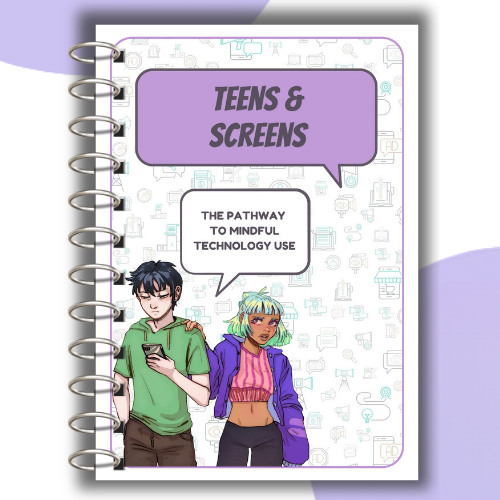 Image 1 of 4
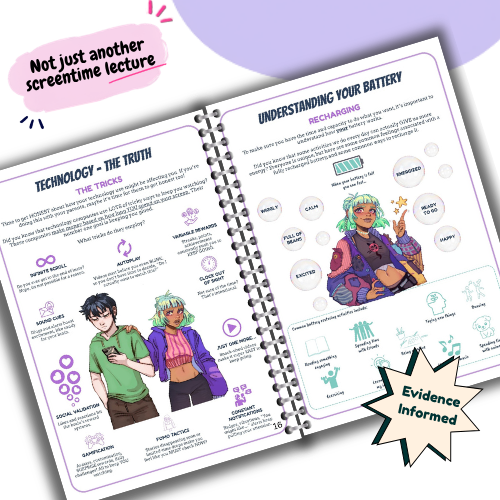 Image 2 of 4
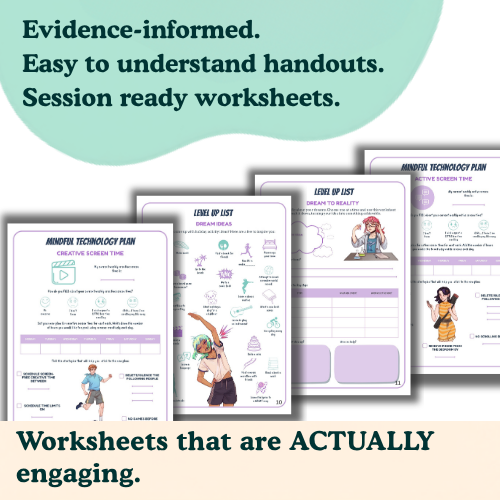 Image 3 of 4
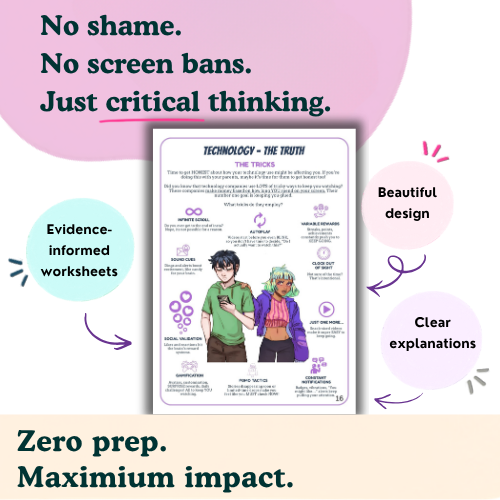 Image 4 of 4